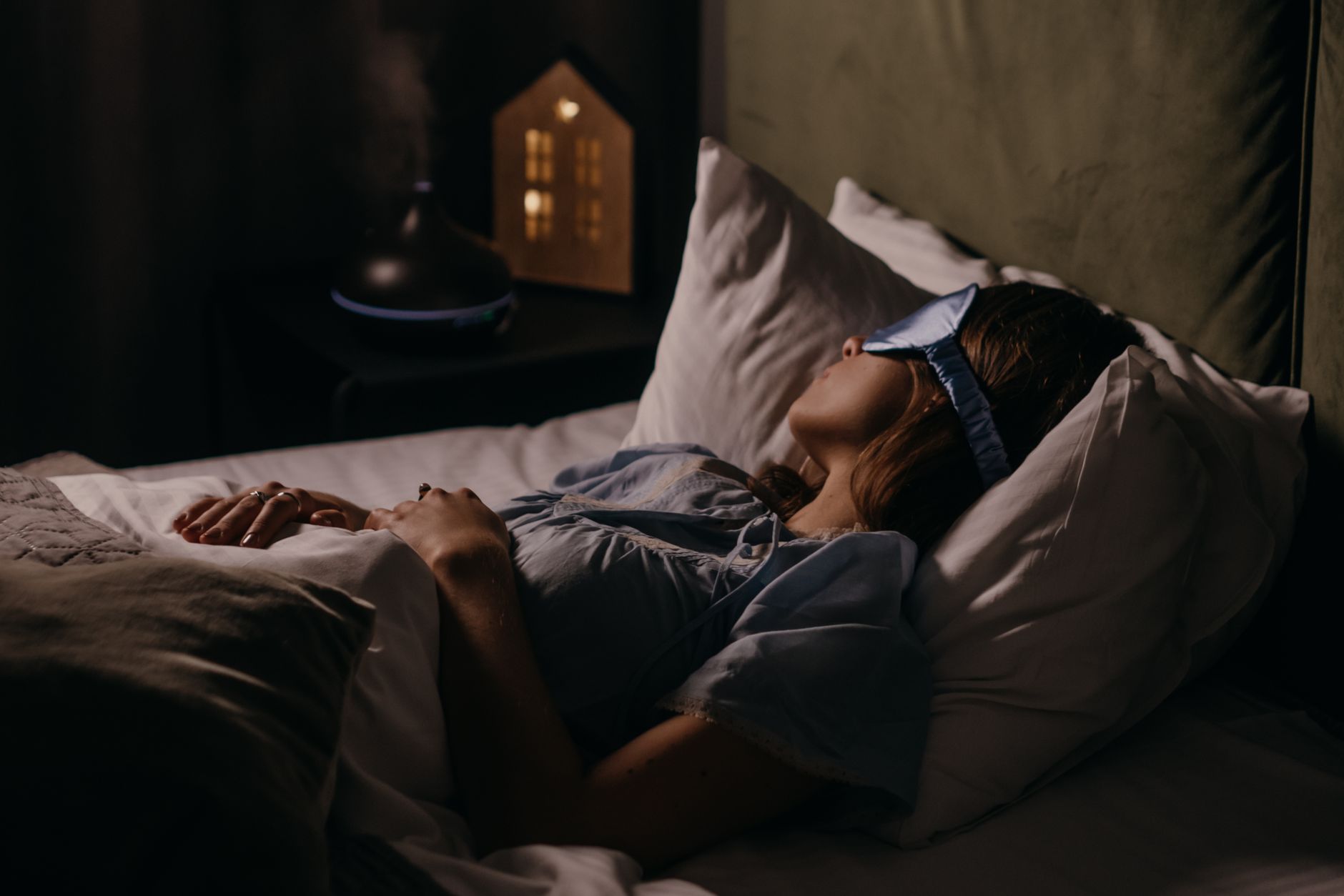
The Best Sunrise Alarm Clock 2026: What Actually Makes a Difference
Not all sunrise alarm clocks are built the same — the difference between a good pick and a mediocre one comes down to how well they simulate natural dawn and integrate with your sleep environment. Many models boast fancy specs but fall short on light quality, brightness control, or usability, which directly impacts how effectively they help regulate your circadian rhythm.


🧠 How We Tested
Testing sunrise alarm clocks means focusing on how effectively they mimic natural dawn, how customizable their lighting and sound options are, and how they fit into real sleep routines.
- Light quality and brightness: measured spectrum accuracy and adjustable intensity to avoid harsh or unrealistic lighting
- Ease of use: tested app and hardware controls for intuitive setup
- Sound options: evaluated natural wake sounds and volume control for gentle arousal
- Integration with sleep environment: tested compatibility with blackout curtains and sleep masks
- Durability and warranty: assessed build quality and customer service reputation
🔍 Detailed Reviews
1. Philips Wake-Up Light Alarm Clock with Sunrise Simulation HF3520/60 — Best Overall
Philips has dominated the wake-up light category for years, and the HF3520/60 is the culmination of their research-backed design. It simulates dawn realistically with gradual light that ramps up over 30 minutes, plus it features natural sounds to ease waking. It’s the go-to for those who want the most effective sunrise alarm clock without unnecessary bells and whistles. Philips’ brand reputation for sleep tech adds confidence.
| Type | LED sunrise simulation light with sound |
|---|---|
| Brightness Levels | 20 adjustable levels |
| Light Color | Warm white to soft amber |
| Sound Options | 6 natural wake-up sounds + FM radio |
| Sunrise Duration | 30 minutes |
| Warranty | 2 years |
| Dimensions | 7.1 x 7.1 x 3.9 inches |
What buyers say
Users consistently praise the Philips Wake-Up Light for its soft, natural light and reliability. Many note improved mood and easier wake-ups compared to traditional alarms. Some mention the sound options could be more varied, but overall it’s highly rated for effectiveness and build quality.
- Realistic and customizable sunrise simulation
- Multiple gentle wake sounds
- Reliable brand with research backing
- Easy-to-use controls
- Limited sound variety
- No smartphone app control
Prices change often. Check today's price and availability before you buy.
2. Lumie Bodyclock Starter 30 – Best Budget
For those on a tighter budget, the Lumie Bodyclock Starter 30 offers solid sunrise simulation without cutting corners on the core function. It’s straightforward, with a 30-minute dawn simulation and a few sound options. While it lacks smartphone integration and advanced features, it delivers the basics well and is a practical introduction to light-based wake-ups.
| Type | LED sunrise simulation light |
|---|---|
| Brightness Levels | 10 adjustable levels |
| Light Color | Warm white |
| Sound Options | 3 natural wake-up sounds |
| Sunrise Duration | 30 minutes |
| Warranty | 1 year |
| Dimensions | 6.5 x 6.5 x 3.5 inches |
What buyers say
Buyers appreciate Lumie for delivering the essential sunrise alarm experience affordably. Some note that the light is a bit dimmer than premium models, and the sound options are limited. It’s praised for simplicity and value.
- Affordable entry-level sunrise simulation
- Simple, easy to use
- Compact design
- Lower brightness compared to premium models
- Limited sound options
Prices change often. Check today's price and availability before you buy.
3. Hatch Restore – Best Premium
Hatch Restore combines sunrise alarm clock functionality with additional sleep-enhancing features like customizable wind-down routines, soundscapes, and a companion app. It offers a 30-minute gradual wake with customizable light colors and intensity. Premium materials and software integration justify the higher price for those looking for a holistic sleep and wake solution.
| Type | LED sunrise simulation + smart sleep assistant |
|---|---|
| Brightness Levels | Multiple adjustable levels |
| Light Color | Customizable warm to cool tones |
| Sound Options | Sleep sounds, alarms, and white noise |
| Sunrise Duration | Customizable 15–60 minutes |
| Warranty | 1 year |
| Dimensions | 7.5 x 7.5 x 4 inches |
What buyers say
Premium buyers praise Hatch Restore for its versatility, app control, and integration of sleep sounds that help both falling asleep and waking up. Some mention the price is high but worth it for the multi-functionality. A few find the app setup slightly complex but manageable.
- Customizable sunrise and wind-down routines
- High-quality build and design
- App integration for personalized control
- Multiple sound options
- Higher price point
- App setup can be tricky
Prices change often. Check today's price and availability before you buy.
📊 At a Glance: Compared
| Product | Highlights | Price | |
|---|---|---|---|
Philips Wake-Up Light Alarm Clock HF3520/60 Best Overall★ 4.8 |
| ≈ $80–$110 | Amazon → |
Lumie Bodyclock Starter 30 Best Budget★ 4.5 |
| ≈ $45–$60 | Amazon → |
Hatch Restore Best Premium★ 4.7 |
| ≈ $120–$150 | Amazon → |
🛒 How to Choose a Sunrise Alarm Clock
Choosing a sunrise alarm clock is more complex than just picking the brightest light. The biggest mistake is ignoring how the light quality and sound options affect your circadian rhythm and wake-up experience. A poorly designed light can be jarring or ineffective.
Light Quality and Spectrum
The goal is to mimic natural dawn light, which gradually increases in brightness and shifts in color temperature from warm amber to bright white. Clocks that simulate this transition help regulate melatonin production and ease waking. Look for LED lights with adjustable brightness and color temperature.
Sound Options and Volume Control
Sound plays a crucial role in waking gently. Natural sounds like birdsong or soft chimes are better than harsh beeps. Volume should be adjustable so it doesn’t startle you awake. Some premium models offer white noise or customizable soundscapes that double as sleep aids.
Ease of Use and Integration
The alarm clock should be easy to set up and adjust, with intuitive controls or app integration. Features like automatic brightness adjustment based on room light or syncing with your sleep schedule add value. Also consider compatibility with blackout curtains or sleep masks to optimize your sleep environment, as discussed in our Best Blackout Curtains for Shift Workers 2026 – Effective Light Blocking for Daytime Sleep.
Trial Period and Warranty
A good trial period allows you to test if the sunrise simulation actually improves your wake-up routine before committing. Warranty coverage signals confidence in build quality. Most reputable brands offer 1–2 year warranties.
For overall bedroom comfort, pairing your alarm with breathable bedding like our picks in Best Bamboo Sheets for Hot Sleepers 2026 – Stay Cool and Comfortable All Night with Breathable Bedding helps regulate temperature and improve sleep quality.
✅ Our Recommendation
For most people, the Philips Wake-Up Light Alarm Clock HF3520/60 is the sweet spot: it balances effective light therapy with easy use and reliability. Budget buyers get solid value with the Lumie Bodyclock Starter 30, while those wanting a full sleep-wake system should consider the Hatch Restore.
- Best overall: Philips Wake-Up Light Alarm Clock HF3520/60 — reliable, research-backed sunrise simulation that genuinely improves waking
- Best budget pick: Lumie Bodyclock Starter 30 — affordable, straightforward sunrise alarm clock that covers the essentials
- Best premium: Hatch Restore — combines sunrise alarm with smart sleep sounds and routines for a holistic sleep experience
❓ Frequently Asked Questions
What is the best sunrise alarm clock 2026 for heavy sleepers?
Heavy sleepers benefit from sunrise alarm clocks that combine strong gradual light with robust sound options. The Philips Wake-Up Light HF3520/60 is a top choice because it offers bright light and natural sounds that progressively intensify, increasing the chance of waking without abruptness.
How to choose between a sunrise alarm clock vs a traditional alarm clock?
Sunrise alarm clocks use light to simulate dawn, which supports circadian rhythm and typically results in less grogginess compared to traditional alarms that rely on sound alone. Choose a sunrise alarm if you want a gentler, more natural wake-up that can improve mood and alertness.
What light color and brightness do doctors recommend for sunrise alarms?
Light that starts warm (around 2700K amber tones) and gradually brightens to cooler white (up to 4000K) over 20–30 minutes aligns with human circadian rhythms. Brightness should be adjustable up to about 250 lux at eye level to simulate natural dawn without causing eye strain.
How long should a sunrise alarm clock light-up duration be?
Most effective sunrise alarm clocks use a gradual light-up over 20 to 30 minutes. This slow increase helps gently reduce melatonin and prepare your brain to wake naturally, reducing sleep inertia.
Are there sunrise alarm clocks that also help you fall asleep?
Yes, premium models like the Hatch Restore include customizable wind-down routines with dimming lights and sleep sounds to ease falling asleep, making them multi-functional sleep aids.
Is a sunrise alarm clock better than using blackout curtains and a regular alarm?
They serve different purposes. Blackout curtains block unwanted light to improve sleep quality, while a sunrise alarm clock helps you wake up more naturally. Combining both is ideal; check our guide on the Best Blackout Curtains for Shift Workers 2026 – Effective Light Blocking for Daytime Sleep for optimizing darkness during sleep.